Westfield Shepherds Bush bulky rubbish removal tips
Posted on 13/10/2026
If you live, work, or are just helping someone clear a flat near Westfield Shepherds Bush, bulky rubbish has a way of becoming a bigger job than it first looks. One sofa turns into two. A wardrobe becomes panels, screws, and a lot of dust. And before you know it, the hallway feels tighter, the lift is booked, and the bin stores are no help at all.
This guide to Westfield Shepherds Bush bulky rubbish removal tips is designed to make that job easier and calmer. You'll find practical ways to sort items, plan a collection, avoid common mistakes, and choose the right disposal route for furniture, appliances, mixed household waste, and renovation leftovers. A lot of this is simple once you've done it once. The hard part is knowing what to do first.
Let's make it straightforward.
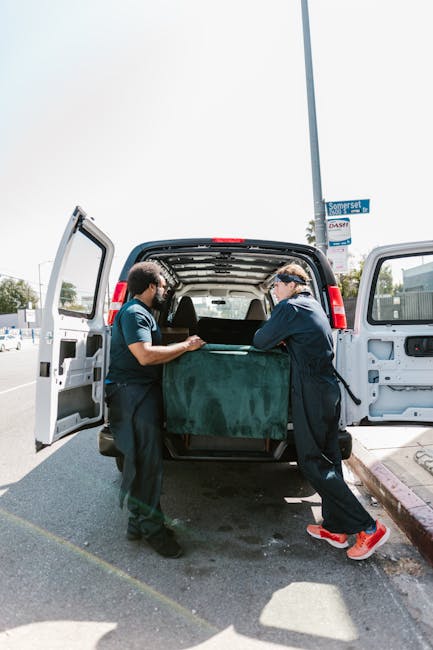
Why Westfield Shepherds Bush bulky rubbish removal tips Matters
Bulky rubbish removal matters because large items are awkward in every sense. They take up space, they're harder to carry safely, and they often need a different disposal approach from ordinary household rubbish. In Shepherds Bush, that matters even more because homes, stairwells, and parking space can be tight. You can have everything ready and still spend half the morning wondering how on earth to get an old mattress out without scraping the wall.
The area around Westfield also has its own rhythm. There's traffic, footfall, loading constraints, and plenty of people moving around at all hours. That means timing and planning are not just nice extras. They are the difference between a quick job and a stressful one. If you're dealing with a move-out, a flat refresh, or a shop or office clear-out, a little prep saves a lot of bother.
There's also the practical side: bulky waste is often made up of mixed materials. A sofa might contain wood, foam, fabric, springs, and metal. A broken desk could include timber, plastic edging, and fixings. Sorting these properly is useful for recycling, safer handling, and clearer pricing. Truth be told, the more organised you are, the smoother everything tends to go.
Key takeaway: bulky rubbish removal is not just about getting rid of stuff. It's about planning access, separating materials, protecting your property, and choosing a sensible disposal route that fits the item and the space you're working in.
How Westfield Shepherds Bush bulky rubbish removal tips Works
At its simplest, bulky rubbish removal follows a few clear stages: identify the items, decide what can be reused or recycled, make the area safe, then arrange collection or transport. The details change depending on the type of waste, but the basic logic stays the same.
For household clear-outs, the first step is usually to group items by type. Furniture, white goods, garden waste, and general clutter all behave differently. For example, an old fridge is not handled like a bedside table, and a broken wardrobe is not the same as a bag of mixed loft junk. Sounds obvious, but in the middle of a busy room it's easy to miss.
If you're using a local collection service, you'll usually need to describe what you have, how much there is, and whether there are access issues such as stairs, no lift, or restricted parking. That is why accurate photos can help. One shot of the full load, one of the largest item, and one of any awkward access point can make quoting much more reliable.
In practice, good bulky waste removal is part organisation and part physical handling. People often focus on the lifting bit, but the planning bit is where the time is saved.
What counts as bulky rubbish?
Bulky rubbish usually means items too large for normal weekly bins or too awkward to break down and bag easily. Typical examples include sofas, wardrobes, beds, mattresses, appliances, shelving, exercise equipment, office desks, carpet rolls, and demolition leftovers from light DIY. It may also include mixed items from a move, a tenancy change, or a shop refit.
What changes the approach?
Three things tend to shape the job:
- Item type: furniture, appliances, waste wood, metal, and mixed debris all need different handling.
- Access: stairs, narrow halls, lifts, parking, and loading distance affect labour and timing.
- Condition: clean, reusable items are easier to separate than damaged or contaminated waste.
Key Benefits and Practical Advantages
When bulky rubbish is handled well, the benefits show up quickly. The room looks bigger, the route through the property is safer, and the whole place feels less cluttered. You notice it straight away, especially in a small flat where one old item can seem to absorb half the room.
There's a financial side too. Good preparation can reduce wasted time and avoid the sort of last-minute scramble that pushes up labour. If items are grouped, labelled, and ready near the exit, crews can work more efficiently. That often helps everything move faster. Not always dramatically, but enough to matter.
Other advantages include:
- Less risk of damage: careful planning reduces knocks to walls, floors, and door frames.
- Safer lifting: smaller, more manageable loads help avoid strain and awkward twists.
- Cleaner recycling outcomes: separating reusable or recyclable materials supports better disposal routes.
- Less disruption: a tidy staging area makes a busy building easier to manage.
- Better decision-making: you can see what you actually have, instead of guessing from one cluttered corner to the next.
And honestly, there's a calmer feeling to a good clear-out. You stop staring at the pile and start seeing the space again. That counts for something.
Who This Is For and When It Makes Sense
These tips are useful for pretty much anyone dealing with large items in or around Shepherds Bush, but some situations come up again and again.
Homeowners and tenants
If you're moving out, replacing old furniture, or clearing a spare room, bulky rubbish removal is often the last thing you want to think about. Yet it can become the thing that delays handover or makes a property feel unfinished. A broken sofa in the hall is not a great look, let's be fair.
Landlords and letting agents
End-of-tenancy jobs often involve a mix of furniture, mattresses, damaged items, and random leftovers. The key issue is speed. You want the property reset quickly and responsibly, without creating extra mess or accidental damage.
Small businesses and offices
Chairs, desks, filing cabinets, display units, and boxed-up old stock can build up faster than you expect. If you're making room for new equipment or closing a workspace, a structured approach helps you keep the process moving.
Renovators and DIYers
Not every bulky job is domestic clutter. Sometimes it's underlay, timber offcuts, old units, broken plasterboard, or furniture that got in the way during a refit. For that kind of job, the waste mix matters a lot, because you may need a more careful separation process.
When it makes sense to act now
It usually makes sense to tackle bulky waste sooner rather than later if:
- the item blocks access or storage space
- the waste is becoming a safety hazard
- you have a deadline such as moving day or inventory check
- the load is too large for normal bin disposal
- you want to avoid the mess snowballing into a bigger job
Step-by-Step Guidance
Here's a practical way to handle bulky rubbish without turning the day into a mini-disaster. It's not glamorous, but it works.
1. Identify everything that needs to go
Walk through the property and make a simple list. Include furniture, appliances, bags of mixed waste, loose shelving, and anything broken or no longer needed. If you're clearing a flat, check the usual hiding places too: under beds, behind doors, in cupboards, and on balconies.
2. Separate by type
Put items into clear groups where possible:
- furniture
- white goods and appliances
- garden waste
- builders' waste
- general bulky clutter
That small bit of sorting can make pricing and disposal much more straightforward. It also helps you spot whether anything can be reused, donated, or broken down.
3. Check access before moving anything
Measure doorways if the item is large. Check stair turns, lift size, and parking or loading access. In busy areas, you may also need to think about timing so you're not trying to manoeuvre a sofa through a narrow entrance at the same time as the morning rush. Been there, regretted that.
4. Remove loose parts and reduce bulk
Take off drawers, cushions, glass shelves, handles, and detachable legs. Tape cables together. Empty cupboards and appliances. Flatten cardboard. Even a little bit of disassembly can make the whole job safer and quicker.
5. Protect the route out
Lay down dust sheets or temporary floor protection if needed. Keep screws, sharp edges, and broken pieces contained. If you live in a shared block, be considerate of the communal area. A quick tidy-up goes a long way.
6. Decide what to recycle, reuse, or dispose of
Not everything needs to be treated as waste. A usable desk, decent chair, or nearly-new appliance might be suitable for another home. If an item is beyond that, it may still have recyclable components. The point is to avoid sending useful material to disposal by default.
7. Arrange collection or transport
Once you know what you have, you can book the right type of removal. Give accurate details. A vague "some old stuff" description tends to create confusion, whereas a specific list usually produces a better outcome.
8. Do a final sweep
Before the team arrives or before you load your own vehicle, do one last look behind doors, under tables, and in corners. It's amazing how often one small item gets left behind. One cable. One shelf bracket. That one bag you swore you'd moved already.
Expert Tips for Better Results
These are the little things that make bulky rubbish removal noticeably easier. They are not complicated, which is exactly why people skip them.
Take photos in good light
Natural daylight helps show the true size and condition of items. A slightly wider photo of the room and a closer shot of the biggest object is usually enough. If the access is awkward, include that too. A dark hallway at 7 a.m. tells you something different from a sunny living room at midday.
Keep similar materials together
Wood with wood. Metal with metal. Appliances separate from furniture. If items are mixed, it takes longer to assess and sort them. That doesn't mean every job must be perfectly organised, but rough grouping helps a lot.
Leave space near the exit
It sounds basic, but it saves time. Create a staging point near the front door, lift, or ground-floor exit. That way, items can be moved in stages instead of being dragged repeatedly through the property.
Think about weight distribution
Heavy items should be the first thing you assess, not the last. A solid wardrobe carcass or a cast-iron frame can change the whole handling plan. If in doubt, treat anything heavy as a two-person lift and give it the respect it deserves.
Don't ignore the awkward stuff
Mattresses, broken mirrors, televisions, old printers, and mixed junk tend to be awkward for a reason. They're bulky, brittle, or full of hidden fixings. Deal with those separately instead of pretending they'll somehow sort themselves out. They won't.
Use the weather to your advantage
If you're working on a wet day, plan coverings and keep cardboard or soft materials dry. If it's hot, start early and keep the route clear. Small timing choices matter more than people think.
A good clear-out rarely feels dramatic in the moment. It feels orderly. Quiet. Then suddenly the space is there again.

Common Mistakes to Avoid
The most common problems are usually not dramatic. They're the boring little oversights that create delays, extra lifting, or avoidable costs.
- Underestimating volume: one corner pile can turn into a full van load once it's properly sorted.
- Mixing everything together: this makes reuse and recycling harder and can slow the job down.
- Forgetting access issues: low ceilings, narrow stairs, and poor parking can become real obstacles.
- Leaving items intact when they could be broken down: a dismantled wardrobe is easier to move than a fully assembled one.
- Assuming all bulky waste is the same: appliances, builders' waste, and furniture often need different handling.
- Ignoring hidden hazards: sharp metal, loose glass, mould, or old fixings can catch you out.
- Waiting until the last minute: this often leads to rushed decisions and less efficient disposal.
One more thing: don't try to "save time" by shoving heavy items down a staircase or dragging them across delicate flooring. That shortcut usually costs more in the end. The floor always remembers.
Tools, Resources and Recommendations
You do not need a van full of specialist equipment to handle a bulky waste clear-out, but a few basics help a lot.
| Tool or resource | What it helps with | Why it matters |
|---|---|---|
| Work gloves | Grip and hand protection | Useful for rough edges, dust, and broken fixings |
| Sturdy sacks or boxes | Small loose items | Keeps hardware, cables, and mixed clutter contained |
| Dust sheets or floor protection | Hallways and flooring | Reduces scuffs and dirt during removal |
| Basic tools | Dismantling furniture | Helps reduce volume and weight |
| Labels or marker pen | Sorting | Makes it easier to separate keep, recycle, and remove piles |
| Measuring tape | Access checks | Useful for doorways, lifts, and bulky furniture dimensions |
For local support, it can also help to understand the difference between general collection, furniture disposal, and mixed waste services. If you need a broader clean-up rather than just one sofa or bed, a service such as waste disposal in Shepherds Bush may be a better fit. If the job is specifically furniture-heavy, furniture disposal in Shepherds Bush can be more direct. For larger clear-outs, options like house clearance in Shepherds Bush or office clearance in Shepherds Bush may be more appropriate.
If you're handling waste from a refit or building work, it also helps to look at builders' waste disposal in Shepherds Bush. Different waste types, different rules, different mess. Simple as that.
Law, Compliance, Standards, or Best Practice
Bulky rubbish removal is not just a practical task; it also touches on waste-handling responsibilities and safety. In the UK, it's best practice to use responsible disposal routes and to make sure waste is handled by properly authorised operators where required. If you are paying someone to take waste away, you should be careful about who is doing the job and how it will be dealt with afterwards.
For that reason, it is sensible to check that any waste carrier is properly licensed and that the service follows safe handling and disposal procedures. If you want to understand how that is approached, you can review the site's waste carrier licence and compliance information. That sort of reassurance matters, because once waste leaves your property, you still want confidence that it will be handled properly.
Health and safety also matter. Large items can be heavy, unstable, or sharp. If something looks risky to move, don't force it. Split it down if you can, get extra help if needed, and protect the route out. Insurance and safe working practices are worth asking about too. For a fuller picture, see insurance and safety.
There's also a simple best-practice principle worth keeping in mind: separate what can be reused or recycled from what truly needs disposal. It's better for the environment and often easier operationally. If sustainability is part of your decision, the page on recycling and sustainability is a useful companion read.
Options, Methods, or Comparison Table
There is no single best way to remove bulky rubbish. The right choice depends on time, item type, access, and how much hands-on work you want to do yourself. Here's a simple comparison.
| Method | Best for | Pros | Watch-outs |
|---|---|---|---|
| Self-moving to a recycling site or tip | Small loads you can safely transport | Can be cost-conscious and flexible | Needs a suitable vehicle, time, and lifting ability |
| Booked bulky collection | Mixed large items, household clear-outs | Convenient, quicker, less personal labour | Needs accurate item details and access planning |
| Full clearance service | Whole-room, property, or office clear-outs | Best for volume and time savings | May be more than you need for one or two items |
| Item reuse or donation | Usable furniture and appliances | Useful, sustainable, often satisfying | Items must usually be in decent condition |
If you only have one or two manageable items, self-move may be fine. But if you're dealing with a sofa, mattress, broken wardrobe, and a couple of bags of mixed clutter, a collection service is usually far less stressful. If the job has grown beyond what you expected, that is normal. It happens all the time.
Case Study or Real-World Example
Here's a very ordinary example, which is exactly why it's useful.
A resident near Westfield had a two-bed flat that needed clearing after a room refresh. The items included an old sofa bed, a wardrobe, a small dining table, a broken office chair, and a handful of mixed household bags. At first glance, it seemed like a single load and a quick lift. Then they checked the route out and realised the wardrobe would not fit through the hall without dismantling, the sofa bed was heavier than expected, and the lift was too small for the longest panels.
So they changed the plan. The wardrobe was broken down, loose fixings were bagged, the items were grouped by type, and the staging area was moved nearer the front door. Photos were taken in daylight, access was checked, and the largest pieces were dealt with first. The result was not magic. Just less friction. Fewer surprises. A cleaner exit.
That kind of job is typical in Shepherds Bush, especially in properties where access is a bit tight and time is limited. The lesson is simple: the physical lifting matters, but the planning around it matters just as much.
Practical Checklist
Use this before you start. It's boring, but useful. Very useful.
- List every bulky item that needs removing
- Separate furniture, appliances, garden waste, and builders' waste
- Check doorways, stairs, lift size, and parking access
- Take photos of the items and the access route
- Remove loose parts, drawers, shelves, and cables
- Protect floors and walls where needed
- Decide what can be reused, donated, or recycled
- Prepare a clear staging area near the exit
- Confirm who is lifting what, especially for heavy items
- Do a final sweep for hidden items and fixings
Quick practical note: if you're not sure whether something counts as general rubbish, furniture waste, or mixed disposal, don't guess. A quick separation at the start usually saves a bigger headache later.
Conclusion
Bulky rubbish removal around Westfield Shepherds Bush becomes much easier when you treat it like a small project rather than a rush job. Sort first, measure access, break down what you can, and choose the disposal route that matches the item type and the amount of work involved. That's the heart of good planning.
Whether you're dealing with one stubborn sofa or a full flat clear-out, the same principles apply: protect the property, reduce lifting risk, and keep the waste stream as organised as possible. The process is rarely glamorous. But it is manageable, and once it's done, the space feels lighter in a way that's hard to fake.
Get a free quote today and see how much you can save.
If you want a clear next step, start by identifying your items and checking your access route. That one small move usually makes the rest fall into place.