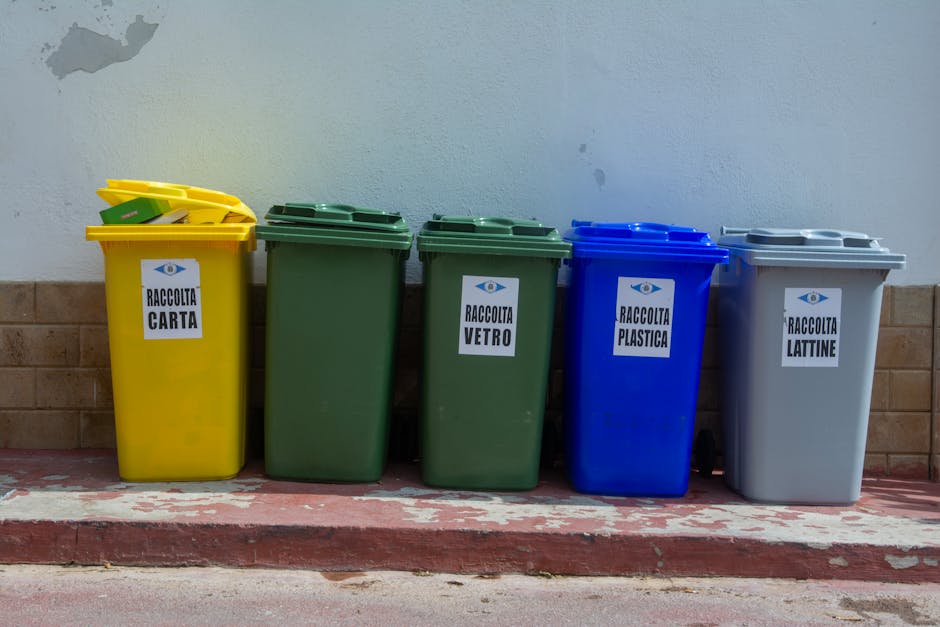
Shepherds Bush Market waste collection guide
Posted on 03/09/2026

If you work, trade, live, or manage property near the market, waste has a habit of becoming the thing nobody planned for and everyone has to deal with anyway. This Shepherds Bush Market waste collection guide is here to make that part easier. Whether it is packaging from a busy stall, broken furniture after a refit, garden cuttings from a rear yard, or builders' debris after a small renovation, the right approach saves time, reduces stress, and helps you avoid messy mistakes.
To be fair, waste around a market area is never just "rubbish". It is a mix of commercial, household, occasional bulky items, and sometimes awkward materials that need proper sorting. So below, you will find a practical, plain-English guide to how local waste collection works, what to watch out for, and how to choose the most sensible option for your situation.
Why Shepherds Bush Market waste collection guide matters
Shepherd's Bush is busy, compact, and lively. That is part of the charm. It also means waste builds up fast, especially where retail, food, events, and residential spaces overlap. A market stall can go from tidy to cluttered in one afternoon. A flat above a shop can quietly accumulate bags, boxes, and old appliances. A small cafe can suddenly have cardboard, food waste, and a broken fridge all needing attention at once.
That is why a local waste collection plan matters. In an area like this, poor handling can create blocked access, complaints from neighbours, odours, pest risk, and sometimes avoidable compliance trouble. Nobody wants a pile of smashed packaging sitting in a narrow lane while customers are trying to pass. Not ideal, really.
There is also a cost angle. If waste is not separated well, you often end up paying more in time and labour. One rushed job can turn into two trips. One missed item can hold up a collection. And if you are running a business, every minute someone spends wrestling with waste is a minute they are not serving customers or getting on with the actual work.
For local businesses and landlords, it also protects your reputation. Clean surroundings send a strong signal: the site is managed properly. That matters near any busy market, and it matters even more in a neighbourhood where people notice what is going on street by street. If you want a broader look at how the area functions day to day, the local insights on living in Shepherd's Bush piece gives helpful context.
How Shepherds Bush Market waste collection guide works
At a practical level, waste collection near Shepherd's Bush Market usually starts with one question: what exactly needs removing? Once you know that, the rest becomes much simpler. A good collection service will assess the waste type, volume, access, and timing, then plan the uplift accordingly.
Here is the basic flow you can expect.
- Identify the waste type. Is it general rubbish, cardboard, furniture, garden waste, appliances, builders' waste, or a mix?
- Estimate the amount. A few bags is very different from a shop clear-out or a post-refit load of broken materials.
- Check access. Market surroundings can be tight. Stairways, rear entrances, loading points, and parking restrictions all affect the job.
- Choose the collection method. Some loads are ideal for a quick man-and-van uplift. Others need a more structured clearance service.
- Load safely and sort responsibly. Reusable, recyclable, and non-recyclable materials should be separated where possible.
- Dispose of the waste properly. The aim is lawful handling, responsible sorting, and as little disruption as possible.
In many cases, a local rubbish collection provider is the simplest route. For mixed household or business waste, a wider service such as waste disposal in Shepherd's Bush can be the more flexible choice, especially when your load includes several different item types.
There is a nice rhythm to a well-run collection. Crew arrives, items are checked, access is planned, and the site is left clear. You should not need to overthink it. If you find yourself having to explain the same bag three times and move things twice, something has gone sideways.
Key benefits and practical advantages
Good waste collection is not just about getting rid of things. It helps the whole space function better. That is especially true around a market, where movement, visibility, and hygiene all matter.
- Cleaner trading spaces: Clear walkways and neat loading areas make work feel calmer and more professional.
- Faster turnaround: A planned collection usually saves time compared with piecemeal bagging and repeated trips.
- Less disruption: Careful timing helps avoid clashes with opening hours, deliveries, or peak footfall.
- Better recycling outcomes: Sorting recyclable materials early makes responsible disposal much easier.
- Reduced safety risks: Less clutter means fewer trips, blocked exits, and awkward lifting situations.
- More predictable costs: When the waste is described properly, quotes are usually easier to compare and understand.
There is also a subtle but real benefit: better headspace. A cluttered stockroom or back area can quietly drain energy. Once it is cleared, people tend to move quicker and think more clearly. Sounds simple, but you notice it immediately.
If you are dealing with mixed items, you may also find it useful to explore rubbish collection in Shepherd's Bush as a broader option for everyday loads and small-scale clearances.
Who this is for and when it makes sense
This guide is useful for a few different groups, and not just market traders.
- Market stallholders dealing with cardboard, packaging, damaged displays, and stock-related waste.
- Independent shops and cafes that need regular or one-off collections.
- Landlords and managing agents who are clearing bins, bulky items, or leftover waste after tenants move on.
- Homeowners and renters nearby who want to clear furniture, loft clutter, or general rubbish efficiently.
- Contractors and decorators working on light refurbishments, shop fits, or repairs.
- Event organisers who need post-event waste taken away without leaving the site looking messy the next morning.
It makes sense to arrange a collection when waste is starting to affect movement, hygiene, or day-to-day work. A few bags in the wrong place can snowball quickly. On the other hand, if you already have a clean process in place, you will mostly use a collection service for scheduled uplifts, occasional bulky items, or one-off jobs that do not fit your normal routine.
Sometimes people wait too long because they think the pile is "not that bad". Then suddenly it is Friday afternoon and the back area looks like a cardboard mountain. Happens all the time.
For larger household jobs, a dedicated house clearance in Shepherd's Bush may be the better fit than a simple bag collection, particularly if you are clearing multiple rooms or a property after a move.
Step-by-step guidance
If you want a straightforward way to handle waste near the market, follow this process.
- Walk the site first. Look at what needs removing and where it is stored. Note narrow entrances, stairs, permits, or loading constraints.
- Separate waste into rough categories. Cardboard, general rubbish, metal, wood, electronics, garden waste, and bulky items should not all be treated as one pile if you can help it.
- Remove anything reusable. Fixtures, shelving, bags, or containers that can still be used should be set aside before clearance.
- Take a few photos. This is helpful if you are asking for a quote. It also avoids confusion on the day.
- Choose the right service type. Small mixed loads, business waste, and bulky items often need different handling.
- Book a sensible time slot. Early morning or quieter periods are often easier around a market setting, though that depends on access and trading hours.
- Prepare the route. Move obstacles, unlock gates, and clear a path before the team arrives.
- Confirm what is included. Ask whether loading, labour, disposal, and recycling are all part of the arrangement.
- Keep an eye on the final sweep. A good team should leave the area tidy, not just "mostly done".
That final sweep matters more than people think. A stray strip of wrapping or broken tile can make an area look unfinished, even if the main load is gone.
If your job involves heavier items like sofas, desks, or shop fittings, furniture disposal in Shepherd's Bush may be a more appropriate route than treating everything as general waste.
Expert tips for better results
Here is the part that usually saves people the most time.
- Be specific when describing the load. "A bit of rubbish" is not very helpful. "Eight bags, two broken shelving units, and some cardboard" is better.
- Keep fragile or sharp items separate. Glass, metal edging, and broken fittings can create avoidable safety issues.
- Bundle loose material where sensible. Cardboard and flattened packaging are easier to move and often easier to recycle.
- Use clear access points. A tidy path speeds up the collection more than any clever packaging trick.
- Plan for the awkward item first. If there is one heavy or bulky thing, deal with that in the plan before you worry about the lighter stuff.
One practical tip that gets overlooked: if you are clearing a back room or stock area, start near the exit and work inward. It sounds almost too basic, but it prevents waste from being re-spread across the space. I have seen more than one "quick clear-up" become a five-minute job that somehow turns into forty-five.
If you are managing business premises, the right support from commercial waste removal in Shepherd's Bush can be a better long-term fit than one-off ad hoc disposal, especially if waste builds up every week.

Common mistakes to avoid
Most waste problems are not dramatic. They come from a few small mistakes repeated under pressure.
- Leaving waste sorting until the last minute. It leads to missed recycling opportunities and slower collections.
- Assuming all waste is handled the same way. Food packaging, white goods, wood, and rubble are not interchangeable.
- Underestimating access issues. In busy streets, a good plan matters more than a quick guess.
- Booking too close to opening hours. The site can get noisy, blocked, or rushed.
- Ignoring storage limits. Waste left outdoors for too long can attract complaints or create health concerns.
- Not checking the provider's credentials. That is a risk you really do not want to take.
Another mistake is trying to force a job into the wrong service. A loft full of mixed items is not the same as a couple of bins of packaging, and a building site skip load is not the same as a shop clear-out. Matching the job to the service avoids a lot of friction later.
If you are clearing a loft, it can be worth looking at loft clearance in Shepherd's Bush rather than treating it like standard rubbish removal. The access and item mix often make a big difference.
Tools, resources and recommendations
You do not need a warehouse full of gear to manage waste properly, but a few simple tools make a noticeable difference.
| Tool or resource | Why it helps | Best use case |
|---|---|---|
| Heavy-duty sacks | Keep lighter mixed waste contained | Shop back rooms, small household clear-ups |
| Flat-pack boxes or tubs | Helps sort recyclable material more cleanly | Cardboard, packaging, office waste |
| Marker labels | Makes sorting faster for teams | Mixed clearances and repeat collections |
| Camera phone photos | Improves quote accuracy | Any job with bulky or mixed waste |
| Reusable crates | Useful for staging items before uplift | Market stalls, stockrooms, small retail units |
For bigger or more varied jobs, it also helps to have a service overview handy so you can compare what fits. The services overview page is useful when you want to separate rubbish collection, clearance, disposal, and more specialist work without mixing them all up in your head.
If pricing is on your mind, checking pricing and quotes can help you understand how jobs are usually assessed. No one likes surprise costs. Let's face it, the bill should not feel like a second problem.
Law, compliance and best practice
Waste handling in the UK comes with legal and practical expectations, especially for businesses. You do not need to memorise every detail, but you do need to know the basics.
Duty of care means waste should be stored, handed over, and disposed of responsibly. If you run a business, you should be careful about who takes your waste away and what happens next. That includes keeping clear records where appropriate and avoiding any operator who cannot show proper credentials.
Waste carrier licensing is another key point. A legitimate waste removal provider should be able to explain their compliance position in simple terms. If they get vague or defensive, that is usually a warning sign. Our advice is plain: ask the question before the job starts, not after the load has disappeared.
Safe handling also matters. Heavy lifting, sharp edges, broken glass, old appliances, and dusty loft debris can all create hazards. A careful provider will plan around these risks instead of pretending they do not exist. The waste carrier licence and compliance page is a sensible starting point if you want to understand the standards a responsible operator should meet.
For mixed-risk jobs, it is also worth checking insurance and safety. Not every job needs the same level of caution, but every job benefits from it. A bit of care now prevents a lot of grief later.
And if sustainability matters to you, it should, the recycling and sustainability approach is worth taking seriously. Reuse and recycling are not just nice extras; they are often the most sensible way to deal with mixed waste when items are still recoverable.
Options and comparison table
Different waste jobs call for different methods. Here is a simple comparison to help you choose.
| Option | Best for | Pros | Trade-offs |
|---|---|---|---|
| Ad hoc bag collection | Small, simple loads | Quick, low effort, easy to arrange | Not ideal for bulky or mixed items |
| Full rubbish collection service | Mixed household or business waste | Flexible, convenient, practical | May cost more than a tiny load pickup |
| Furniture removal | Sofas, desks, chairs, units | Better handling for bulky pieces | Needs clear access and accurate item list |
| Garden waste removal | Cuttings, soil bags, hedge trimmings | Cleaner than mixing with general rubbish | Wet or heavy loads may need extra planning |
| Builders waste disposal | Refit debris, timber, plaster, packaging | Suited to renovation work | Must be separated carefully from household waste |
For a market-adjacent business with regular packaging and mixed rubbish, a collection-based service is usually the cleanest fit. For one-off bulky clearances, specialist item removal tends to work better. And for renovation jobs, builders' waste should be handled as builders' waste. Obvious, yes, but people mix them up more than you would think.
If your load includes renovation debris, take a look at builders waste disposal in Shepherd's Bush. If it is mostly sofas, tables, or shop fittings, furniture removal in Shepherd's Bush is the cleaner route.
Case study or real-world example
A small trader near the market finishes a weekend refresh and ends up with cardboard, damaged shelf units, old display boards, and a couple of awkward bags of mixed waste. The space is narrow, the back access is shared, and the owner needs everything gone before opening on Monday.
The sensible approach is not to treat it like a random pile and hope for the best. First, the trader sorts cardboard from broken fixtures. Then the heavier pieces are grouped together near the exit. The team arrives early, checks access, removes the bulky items first, and then clears the lighter mixed waste. The area is left open, swept through, and ready for stock.
It sounds simple because, once planned properly, it is. But if the owner had waited until Sunday evening and tried to move everything themselves, the job would probably have dragged into the night. And nobody wants to be dragging splintery display boards around in poor light at 9pm. Nobody.
The same logic applies to nearby homes. A resident clearing a loft or spare room can get far better results by separating items and choosing the right service, rather than bundling everything into one chaotic heap. If you are in that situation, the local rubbish collection service for Shepherd's Bush can be a practical fit for mixed everyday waste.
Practical checklist
Use this before booking a collection.
- Identify the waste type or types.
- Estimate how much needs to go.
- Check whether any items are heavy, sharp, wet, or fragile.
- Sort recyclable material where possible.
- Clear access paths, gates, and doorways.
- Take photos if you need a quote.
- Confirm timing around opening hours or traffic.
- Ask how the waste will be handled and where it is likely to go.
- Make sure the provider is properly insured and compliant.
- Do one final sweep once the job is done.
If you can tick most of those boxes, the collection is usually smoother than people expect. Truth be told, a little preparation goes a very long way.
Get a free quote today and see how much you can save.
Conclusion
A good Shepherds Bush Market waste collection plan is really about keeping life moving. It helps traders work cleanly, residents avoid clutter, and property managers stay on top of the practical side of the space. The best results usually come from simple habits: sort the load, choose the right service, clear access, and work with a compliant provider that handles waste properly.
If you are juggling a busy site, do not wait for waste to become the problem everyone can see. Deal with it early, keep it sensible, and choose the route that fits the actual load rather than the one that seems easiest in the moment. Small decisions add up, and they often save a much bigger headache later. That is usually how it goes.
And once the space is clear, there is a real relief in it too - a bit more light, a bit more order, a bit more room to get on with the day.